Mattress protectors and pads are essential accessories for preserving mattress longevity and hygiene. They provide a barrier against spills, stains, allergens, and dust mites while maintaining comfort. Understanding the differences between protector types—waterproof, fitted, and breathable pads—helps in selecting the right layer for sleep quality and mattress care.
Key features to consider include material composition, impermeability, and breathability. Cotton, bamboo, or microfiber surfaces with a TPU backing offer quiet, non-crinkly protection. Warranties and fabric coatings influence durability, while washability determines long-term usability. Proper fit and depth accommodate various mattress profiles for consistent coverage.
In addition to protection, mattress pads can enhance comfort through quilting, loft, and cushioning. Some pads regulate temperature by promoting airflow or moisture-wicking properties, supporting a balanced sleep climate. For allergy management, hypoallergenic materials and encasements reduce exposure to common irritants without compromising comfort.
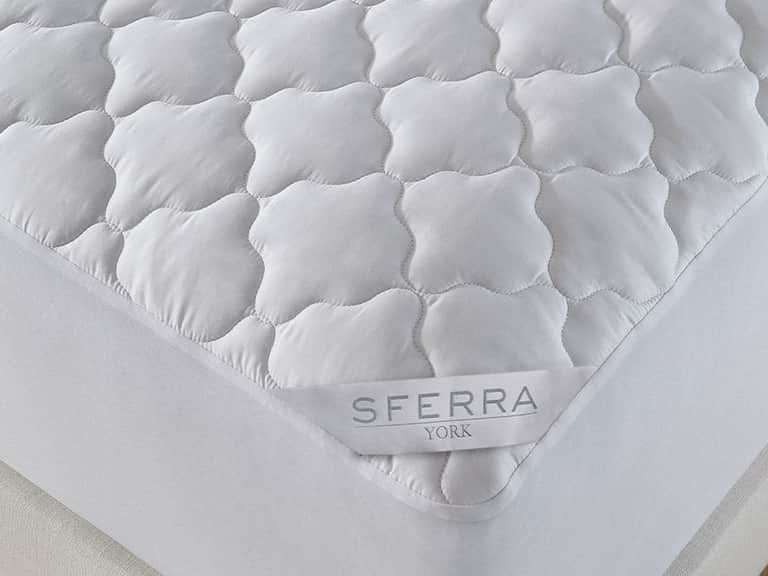
The York Mattress Pad exemplifies typical protector features: a soft top surface, secure elasticized corners, and a protective backing that resists liquids while remaining breathable. Its design prioritizes durability, ease of cleaning, and compatibility with different bed setups, including adjustable bases and varied mattress thicknesses like latex or memory foam.
Understanding how mattress protectors integrate with sheets and bedding ecosystems—bedding, pillows, sheets, organic mattresses, and adjustable beds—helps optimize sleep environments. Using the right protector can extend mattress life, preserve fabric integrity, and maintain an inviting, clean sleeping surface suitable for sensitive sleepers and children alike.
 Bedding