Choosing the Right Mattress: A Practical Guide from The Clean Bedroom and Savvy Rest
A thoughtful, brand-grounded buying guide that demystifies mattress types, materials, and partnership with sleep wellness. Crafted in the spirit of calm, editorial clarity, this guide invites readers to compare, reflect, and choose without bovine commercial pressure.
The bedroom is not merely a room; it is a practice. A space where routine, ritual, and rest converge. When The Clean Bedroom collides with Savvy Rest in the realm of mattress discourse, the result is less a shouting match of product claims and more a quiet, instructive dialogue about how sleep happens in your body—and how your environment can honor that process. The mattress, in this telling, is less a commodity than a partner in nightly alignment: a surface that respects your sleep position, temperature tendencies, and the subtle rhythms of your personal comfort.
To approach this choice with seriousness, we anchor the discussion in three timely strands: the anatomy of mattress types; the material and construction cues that influence durability and climate control; and the practical, reader-friendly steps that translate sleep science into everyday shopping wisdom. The aim is to illuminate without pushing, to compare without bias, and to empower readers to decide what serves their sleep wellness goals best.
A Short History of Sleep Surfaces: From Feathery Comfort to Engineered Support
Sleep technology has traveled a long arc. Early foam and spring systems gave way to more nuanced hybrids. Today’s mattress market is a tapestry woven from natural materials, advanced foams, and highly engineered support cores. The modern consumer wades through a forest of choices: memory foam, latex, innerspring hybrids, and organic or natural options. Each category carries a philosophy about pressure relief, zoning, heat dispersion, and durability. The dialogue between The Clean Bedroom and Savvy Rest leans toward a humane, durable approach—one that prioritizes sleep quality over a transient trend.
Consider the arc as a continuum: comfort that respects spinal alignment, materials that breathe, and a construction that endures. Across time, the most durable mattresses tend to be those that blend firm, stable support with breathable, adaptive comfort layers. The lens we apply here is not a loyalty to a single brand, but a fidelity to sleep wellness—evaluating how a given mattress aligns with your sleep style, your room climate, and your maintenance habits.
Key Factors to Consider: Sleep Style, Temperature, and Longevity
To navigate this decision, anchor your assessment in three core questions:
- What is my typical sleep position, and how does the mattress address pressure points for that position?
- How does the mattress manage temperature and moisture, especially in climates that swing between heat and cool nights?
- What are the maintenance requirements, warranty terms, and durability expectations for the materials involved?
Sleep position matters because different constructions provide different zoning and support. Side sleepers may benefit from pressure-relief comfort that cushions hips and shoulders, while back sleepers often require balanced support that maintains spinal alignment without creating numbness or stiffness. Stomach sleepers typically need firmer support to prevent the midsection from sinking excessively. Temperature regulation hinges on materials that promote airflow or moisture-wicking properties, as well as the overall breathability of the cover and comfort layers. Durability is a function of the core construction (coil gauge, number of turns, or foam density) and the longevity of the comfort layers (latex, memory foam, or other specialty foams).
Material Matters: What to Look For in Core and Comfort Layers
Savvy Rest is renowned for its emphasis on natural and organic materials, while The Clean Bedroom conversation often foregrounds comfort, breathability, and practical care. When you compare mattress materials, you should consider:
- Core construction: innerspring coils vs. high-density foam vs. latex. Each offers distinct support profiles and recovery characteristics.
- Comfort layers: what sits atop the core to provide initial softness or contour. The balance between contouring and support is crucial for long-term comfort.
- Cover fabric: breathability, stretch, and ease of cleaning. A high-thread-count cover sounds luxurious, but breathability and washability are equally important.
- Thermal performance: memory foam tends to trap heat for some, while open-cell foams, latex, or hybrids with breathable covers can help regulate temperature.
- Allergen considerations: natural materials can be helpful for those with sensitivities, but be mindful of certifications and standardization in sourcing.
For readers who value sustainability and health considerations, researching certifications (such as GOTS for organic textiles,Certifications for down, or Oeko-Tex standards) helps establish a baseline of safety and non-toxicity. The conversation with Savvy Rest often highlights natural latex, wool or cotton blends, and organic fabrics as catalysts for a healthier sleep ecosystem. The Clean Bedroom's voice endorses practical durability: a mattress that remains comfortable and stable after years of use, and a cover that can be cleaned without compromising structural integrity.
A Practical Buying Guide: How to Evaluate Options Without a Brand Bias
Here is a checklist you can carry into a showroom or a digital product page, designed to be brand-agnostic yet aligned with reputable practices from the field:
- Define sleep goals: do you prioritize cooling, pressure relief, or motion isolation? Rank these at the outset to guide your search.
- Assess your support needs: weight distribution, body shape, and sleep position influence the optimal firmness and contour for your body.
- Understand the feel: “soft, medium, or firm” is a coarse shorthand. Ask for a firmness rating on a scale and try a test lay-down in multiple positions.
- Inquire about materials: identify the density of foams, the type of latex, the coil configuration, and the cover material. Ask for air-flow or moisture management features.
- Attend to temperature and airflow: consider a mattress with breathable covers, open-cell foams, or latex components that mitigate heat buildup.
- Examine durability: check warranty length, return policy, and the expected lifespan of the core and comfort layers. Longevity matters as a bed that loses support sooner can be a recurring expense.
- Evaluate maintenance: how easy is it to rotate, flip, or clean the mattress? Are there guidelines for protective covers and stains?
- Test in person when possible: lie in your usual positions for several minutes to gauge comfort and support in real time. If shopping online, review sleep test periods and return terms carefully.
- Consider the room ecosystem: pair your mattress with a breathable foundation, moisture-wicking sheets, and a protective duvet to maximize overall sleep quality.
Two brands often cited in editorial explorations of sleep wellness—the Savvy Rest line and The Clean Bedroom references—emphasize different facets of the same truth: your mattress should serve your sleep life, not dictate it. The guide above is designed to help you translate those brand narratives into a shopping reality that fits your needs and budget.
Three Key Figures Across Time: A Quick Illuminated Timeline
To illuminate how mattress philosophy intersects with lives lived in different eras, consider three individuals whose perspectives illustrate this evolving conversation about rest, comfort, and design.
Hypnos, the Ancient Sleeper
In ancient myth and ritual, the god of sleep embodies a quiet surrender to the earth that supports us. The Hypnos of lore reminds us that a good night’s rest is not simply a product attribute but a physiological and spiritual practice. In the context of a mattress conversation, this archetype invites us to look for supports that cradle the body’s natural curves and encourage a peaceful descent into night, rather than abrupt jolts or restless wakefulness. The timeless lesson: comfort that respects the body’s rhythms is a form of reverence for the self.
Mary Whiton Calkins, the Cognitive Sleeper
A psychologist who foregrounded the study of mind and behavior, Calkins represents a lineage of inquiry: how does the body influence cognition, and how can the environment—sleep, routine, and physical surroundings—shape our daily functioning? Her spirit in mattress discourse is a call to measure, observe, and reflect: how does your bed influence your morning focus, mood, and memory? The practical takeaway here is to factor in sleep quality as a cognitive asset, not merely a physical indulgence.
Le Corbusier, the Modern Bedframe Architect
A figure who reimagined spaces with clarity and function, Le Corbusier embodies the modernist impulse toward rational, durable design. In mattress discourse, this translates to a preference for materials and constructions that honor clean lines, precise joinery, and long-lasting performance. The modern bedframe—whether it is a simple platform or a refined platform with cable detailing—structures not just a mattress, but the room’s entire aesthetic and experiential logic. The takeaway: a well-considered bed frame can transform the sleep environment into a steadier, more coherent daily rhythm.
These figures—mythic, academic, and architectural—remind us that sleep is a cultural, intellectual, and practical act. The choices at the mattress level ripple outward to shape our mornings, our thoughts, and the stories we tell about rest.
A Practical, Editorial Close: How to Use This Guide
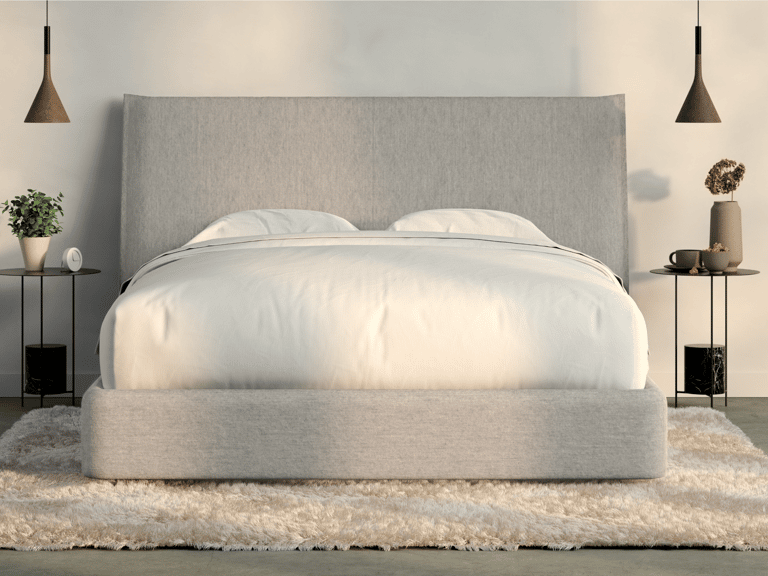
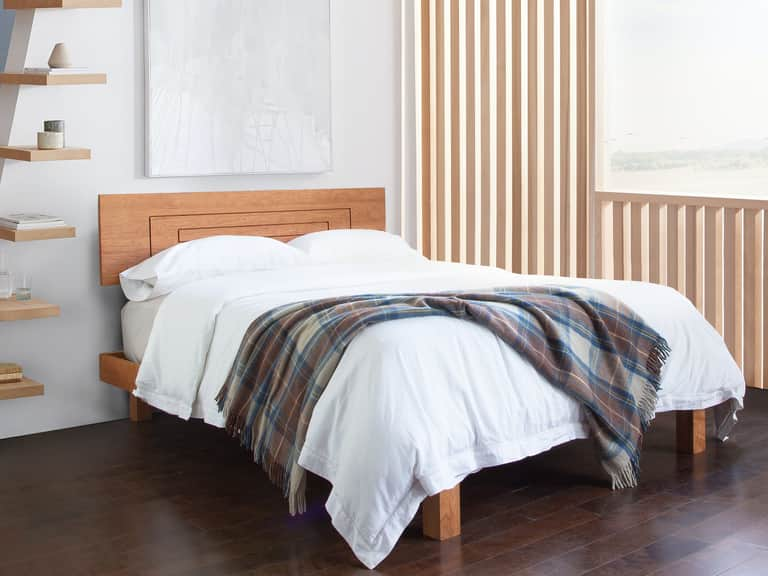
As you close this guide, consider how you will apply its framework to a concrete decision. If you are choosing a mattress for a guest room, your criteria might emphasize durability and ease of maintenance, along with an easy return policy. For a master bedroom afforded by climate control and a long-term plans for wellness, you may prioritize materials and a warranty that aligns with a decade of restful nights. The integration with The Clean Bedroom’s product references—while not a sales pitch—offers tangible exemplars of the type of quality and design philosophy readers can seek out in the wild. The inclusion of a contemporary bed example illustrates design language in action and demonstrates how a sleep system can be both comfortable and aesthetically coherent.
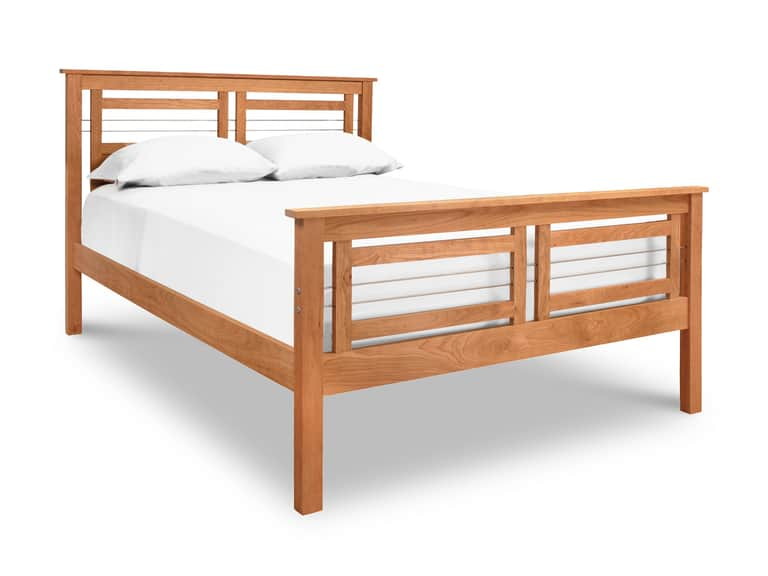
To support readers on both sides of the aisle—those who crave organic materials and those who prize practical, durable comfort—we include a small, non-promotional illustration of a selected product: the Contemporary Cable Bed. This solid Vermont-crafted bed, finished with an eco-friendly hand-rubbed oil, embodies the interweaving of traditional craftsmanship with modern hardware aesthetics. Its presence in this guide signals the kind of thoughtful, well-made components that elevate a sleep environment without compromising on style or longevity. If you decide to visualize your choice, imagine a calm, well-lit bedroom where the mattress, the bed frame, and the textiles fuse into a single, coherent experience of rest.
Product Spotlight: Contemporary Cable Bed
The Contemporary Cable Bed stands as a model of restrained sophistication. Crafted in Vermont, its solid hardwood frame speaks of patience, tradition, and an attention to joinery that resists the impulse to cut corners. The stainless steel cable accents offer a subtle, modern contrast to the warm grain of the wood, grounding the design in both durability and aesthetic quietude. The eco-friendly hand-rubbed oil finish preserves the wood’s natural character while providing a protective sheen that ages gracefully. This is not merely a bed; it is a statement about how a sleeping space can be both utilitarian and poetry in wood and metal.
- Brand: Vermont Furniture Designs
- Core materials: Solid hardwood frame with traditional joinery
- Finish: Eco-friendly hand-rubbed oil
Price: $2,725.00
Product page links and gallery below are representative of the style. Images show the bed from multiple angles to convey the geometry and textural depth of the piece.


Final Thoughts: An Editorial Nudge Toward Informed, Calm Choices
Choosing a mattress is less a moment of decisive conquest and more a sustained practice of listening—to your body, your room, and your waking life. The Clean Bedroom and Savvy Rest offer complementary lenses: one that foregrounds practical comfort and durable materials, the other that invites a health-centered, design-aware curiosity about how sleep surfaces align with our daily routines. The article you’ve just read is an invitation to slow down, gather knowledge, and approach the showroom or website with a framework that respects your sleep needs as the most intimate dimension of home life.
As you proceed, you’ll carry with you a checklist, a sense of which materials speak to your climate, a sense of how much bed you need for your space, and a reverence for the craft that undergirds a good night’s rest. May your next mattress choice be as thoughtful as it is restful, as enduring as it is soothing, and as illuminating as a well-told New Yorker feature—sharp in observation, generous in empathy, and precise in its attention to the quiet miracle of sleep.
Note: The article references product examples to illustrate design language and material philosophy. Availability and specifications may vary by retailer and region. Readers are encouraged to verify current details and warranties with the seller before purchase.